 Call Us : 07313726028


 English
 Spanish
 French
 German
 Italian
 Chinese (Simplified)
 Japanese
 Korean
 Arabic
 Portuguese
|
Call Us : 07313726028
|
Specification
| PRODUCTS | C. I. NAME | CAS NO. |
| Yellow ME4GL | Yellow 160A | 129898-77-7 |
| G.Yellow MERL | Yellow 145 | 93050-80-7 |
| Orange ME2RL | Orange 122 | 79809-27-1 |
| Red ME3BL | Red 194 | |
| Red ME4BL | Red 195 | 93050-79-4 |
| Red ME6BL | Red 196/250 | |
| Red MERBL | Red 198 | 145017-98-7 |
| Red ME3BN | Red 180 | 72828-03-6 |
| Red ME3GL | Red 223 | |
| N. Blue ME2GL | Blue 194 | 93050-78-3 |
| N.Blue BRF | Blue 221 | |
| Blue BF | Blue 222 | |
| Blue ME2RL | Blue 248 | |
| Black MEGR | | |
| Black HFGR | | |
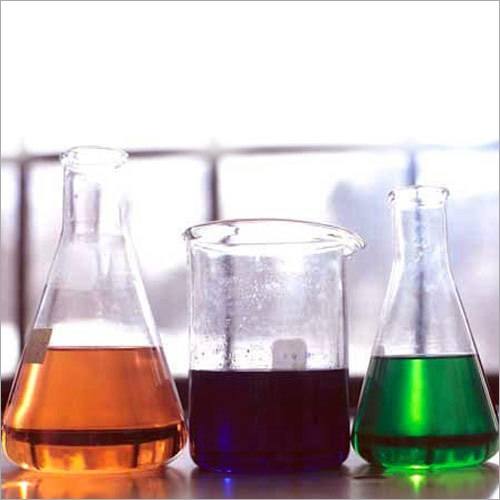

Price:
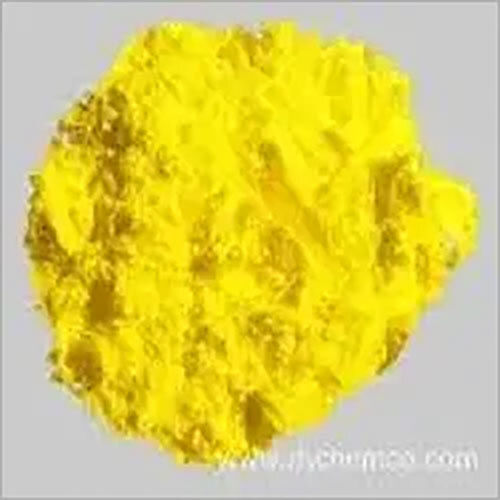
Price 55 INR / Kilograms
Minimum Order Quantity : 500 Kilograms
Solubility : Good in water
Purity : >99%
Usage : Other, Textile Dyeing and Printing
Application : Other, Cellulosic fibers, Cotton, Linen, Silk, Wool
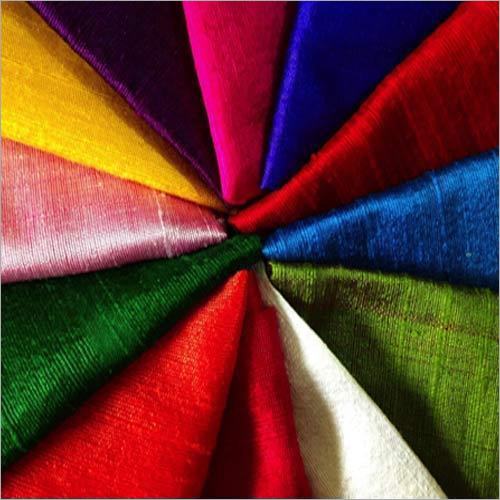
Price 85 INR / Kilograms
Minimum Order Quantity : 500 Kilograms
Solubility : Highly soluble in water
Purity : >98%
Usage : Other, Textile dyeing and printing
Application : Other, Cellulosic fibers such as cotton, viscose, and blended fabrics
Price 100 INR / Kilograms
Minimum Order Quantity : 500 Kilograms, ,
Solubility : Soluble in water
Purity : 98%
Usage : Other, Textile dyeing, Paper, Ink, Plastic industries
Application : Other, Used for coloring silk, wool, nylon and also used in making inks, paper, and plastics
Price 65 INR / Kilograms
Minimum Order Quantity : 500 Kilograms, ,
Solubility : Soluble in Water
Purity : >98%
Usage : Textile Dyestuffs
Application : Other, Textile Industry, Fabric Dyeing, Cotton, Silk, Wool, Leather
 Send Inquiry

 |
MEGHA INTERNATIONAL
All Rights Reserved.(Terms of Use) Developed and Managed by Infocom Network Private Limited. |


 Send Inquiry

 Send Inquiry
 Send Inquiry
 Send SMS