About Food Colours
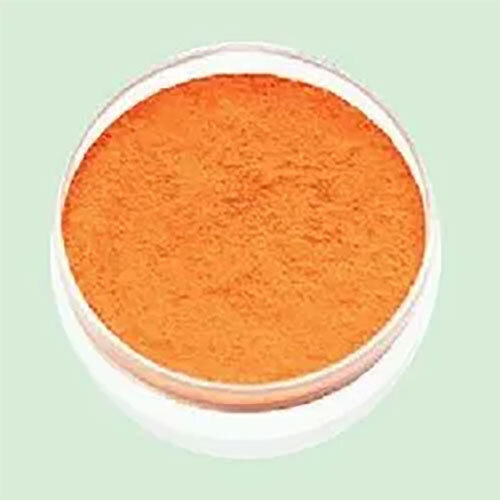
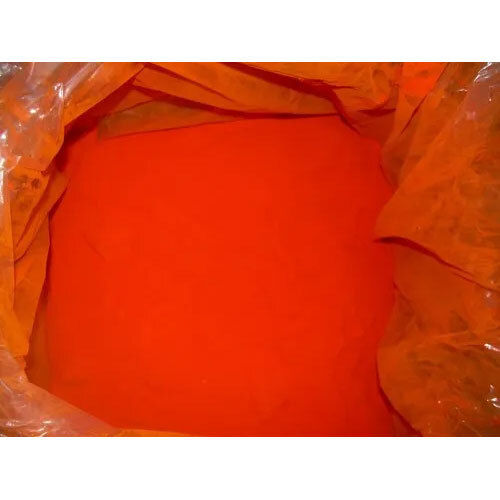
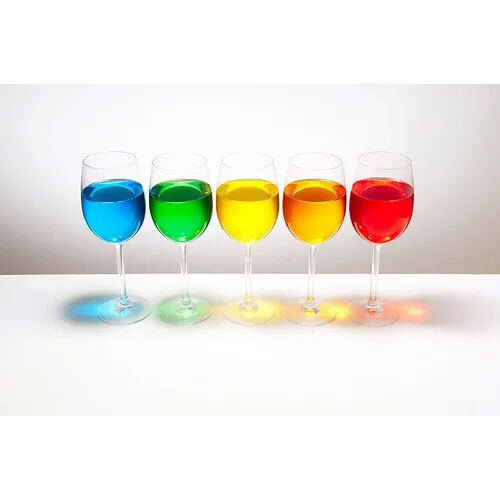
We provide both artificial and natural food colours in our selection. Because they are more readily available and more affordable than natural colours, synthetic colours are used more frequently than natural ones. These hues, which are widely utilised in the food sector, enhance the enjoyment of the food products. These food colours are manufactured in hygienic settings, and chemists check them to make sure the food is safe to consume and labelled correctly. They are very economical to use.
Wide Application and High PurityOur synthetic food colours are tailored for a broad spectrum of uses, from bakery items and beverages to pharmaceutical products and processed foods. Manufactured with an assay of at least 98% and up to 99% purity, they deliver vivid coloration without affecting taste or odor. Their high solubility in water ensures even distribution in your final products.
Regulatory Compliance and SafetyEach color is tested and conforms to the rules set by FSSAI, WHO, and CODEX, ensuring maximum safety and quality. The products contain less than 10 ppm lead, heavy metals below 0.001%, and adhere strictly to permitted daily intake levels. This guarantees your products remain within international safety margins for consumer health.
Reliable Stability and Long Shelf LifeThese food colours are highly stable under light, acidic, and neutral conditions, making them ideal for demanding industrial processes. They are supplied in tightly sealed, moisture-proof containers and have a shelf life of 24 months when stored in cool, dry conditions. Their fine powder or granule form allows for easy application and precise measurement.
FAQs of Food Colours:
Q: How should synthetic food colours be stored to maintain quality?
A: Synthetic food colours should be stored in a cool, dry place in tightly sealed containers, such as fiber drums, HDPE bags, or cartons, to prevent moisture and contamination. Proper storage preserves their 24-month shelf life and prevents degradation.
Q: What applications are ideal for these food colours?
A: These colours are suitable for a wide range of products, including bakery goods, beverages, confectionery, dairy products, pharmaceuticals, processed foods, and ice cream. Their water solubility and stability make them versatile for many formulation requirements.
Q: When is it recommended to use synthetic food colours over natural alternatives?
A: Synthetic food colours are preferred when intense, consistent coloration is required, especially in large-scale manufacturing where stability under various conditions and compliance with strict regulatory standards are crucial. They offer uniform appearance without affecting taste or odor.
Q: Where are these food colours manufactured and supplied from?
A: Our food colours are produced and distributed by reputed dealers, exporters, manufacturers, and suppliers based in India, ensuring reliable quality and adherence to international regulatory guidelines.
Q: What is the general process for using synthetic food colours in production?
A: The colours are typically added during the mixing or blending phase of production. Because they are highly soluble in water, they disperse uniformly, ensuring consistent coloration throughout the product without altering its taste or texture.
Q: What are the benefits of choosing these synthetic food colours?
A: These food colours provide bright, attractive hues, maintain product consistency, have excellent shelf stability, and conform to global safety regulations. Their neutral taste and odor, along with high purity, make them ideal for enhancing product appeal without compromising quality.
 Call Us : 07313726028


 English
 Spanish
 French
 German
 Italian
 Chinese (Simplified)
 Japanese
 Korean
 Arabic
 Portuguese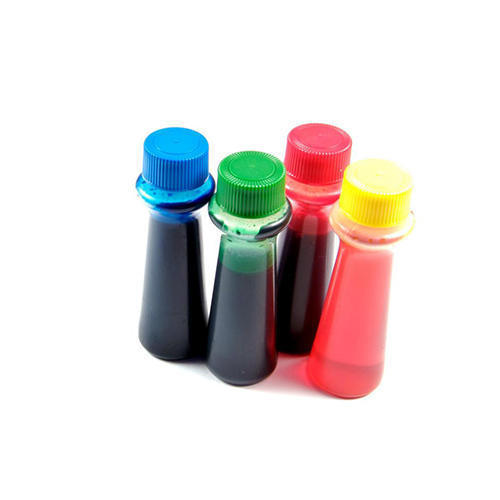


 Send Inquiry





 Send Inquiry

 Send Inquiry
 Send Inquiry
 Send SMS