About Violet Dyes
New release Violet Dyes are now in demand across India, offered at the lowest price directly from leading manufacturers, exporters, and suppliers. This towering crystalline powder with an optimum purity of 99% and a polished finish is ideal for Gram staining in microbiology laboratories. Compatible with most solvents, it features a faint aromatic odour, is light and heat stable, and is safely packed in HDPE drums or bags. Ensure storage in a cool, dry place for a shelf life of two years. Use gloves and masks when handling this high-grade, non-biodegradable dye.
Violet Dyes: Versatile Application Surfaces & Commercial Uses
Violet Dyes, also known as Crystal Violet, excel in vibrant staining applications for both general and commercial use. It is perfect for microbiological Gram staining, laboratory research, and industrial processes where a clear distinction of components is essential. Its high compatibility with various solvents and polished pigment performance ensure accurate results on multiple surfaces, making it a preferred choice in laboratories, research institutes, and commercial product development.
Export Markets, Certifications, and Domestic Reach of Violet Dyes
Violet Dyes are evaluated for robust export freight to regions in Asia, Africa, and Europe, securing the highest valuation in global markets. Supplied with international certifications and rigorous safety documentation, these dyes reach domestic and export customers at the lowest price points. Our broad supply chain network guarantees efficient delivery across Indias major industrial hubs and labs, ensuring prompt access to this quality-assured product for all clients and sectors.
FAQs of Violet Dyes:
Q: How should Violet Dyes be stored to ensure maximum shelf life?
A: Violet Dyes should be stored in a cool, dry place to maintain their quality and ensure the full two-year shelf life.
Q: What are the specific applications for Violet Dyes in microbiology?
A: Violet Dyes are primarily used for Gram staining in microbiology to differentiate between gram-positive and gram-negative bacteria, aiding in diagnostics and research.
Q: When handling Violet Dyes, what safety precautions should be followed?
A: Always use gloves and a mask when handling Violet Dyes, as the product is poisonous and may pose health risks if inhaled or contacted directly.
Q: Where can Violet Dyes be shipped or exported to from India?
A: Violet Dyes are exported from India to global markets including Asia, Africa, and Europe via certified dealers, ensuring compliance with international standards.
Q: What is the process for using Violet Dyes in laboratory settings?
A: The process involves dissolving the dye in water or alcohol, applying to slides for Gram staining, and observing microbial response to distinguish types.
Q: What are the environmental impacts and disposal considerations for Violet Dyes?
A: Violet Dyes are non-biodegradable, so they must be handled and disposed of according to local hazardous waste regulations to prevent environmental contamination.
 Call Us : 07313726028


 English
 Spanish
 French
 German
 Italian
 Chinese (Simplified)
 Japanese
 Korean
 Arabic
 Portuguese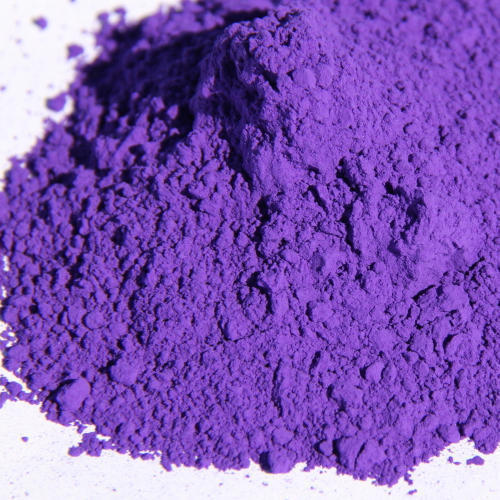



 Send Inquiry





 Send Inquiry

 Send Inquiry
 Send Inquiry
 Send SMS
 Call Me Free