About Ultramarine Pigment
Ultramarine is a vivid blue pigment that has been used in art for centuries. It's made from a mineral called lapis lazuli, which was ground into a fine powder to create the pigment. Ultramarine pigment was highly prized during the Renaissance and was often reserved for the most important artworks due to its expense. The name "ultramarine" comes from the Latin word "ultramarinus," meaning "beyond the sea," referring to the fact that the mineral was sourced from distant lands, particularly Afghanistan.
Today, synthetic versions of ultramarine pigment are also available, offering a more affordable and consistent alternative to the natural mineral. These synthetic versions are chemically similar to the natural pigment and are widely used in various applications, including painting, printing, plastics, and cosmetics.
Ultramarine pigment is known for its deep blue hue, excellent lightfastness (resistance to fading), and versatility in mixing with other colors. It remains a popular choice among artists for creating vibrant blue tones in paintings and other artistic works.
Versatile Applications Across IndustriesUltramarine Pigment is widely employed in plastics, paints, inks, rubber, and several more sectors. With its high tinting strength and excellent resistance to heat, alkali, and light, this pigment maintains vivid color and durability in demanding environments. It also finds a place in cosmetics, detergents, and paper, showcasing its broad compatibility and utility in both industrial and consumer products.
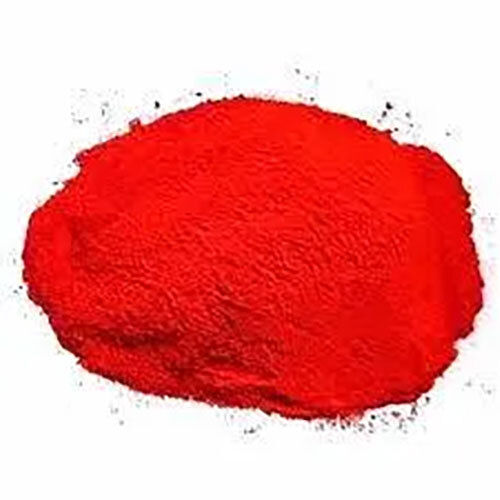
Outstanding Chemical and Physical PropertiesThe pigment is a fine, solid blue powder with a particle size of 5 m. It exhibits remarkable stability against heat (up to 350C), sunlight, and alkalinity, remaining inert and vibrant in a wide range of conditions. Its pH falls within 79, making it suitable for diverse formulary needs. With minimal moisture and a density of 2.4 g/cm, it delivers consistent results batch after batch.
FAQs of Ultramarine Pigment:
Q: How can Ultramarine Pigment be used in industrial applications?
A: Ultramarine Pigment is ideal for coloring plastics, paints, inks, rubber, cosmetics, detergents, and paper. Its high tinting strength, heat stability up to 350C, and resistance to light and alkalis enable it to perform consistently across a wide variety of industrial processes.
Q: What are the benefits of choosing Ultramarine Pigment for manufacturing?
A: The pigment offers excellent light fastness, outstanding alkali and heat resistance, and a vibrant blue shade. Its fine powder form ensures easy dispersibility and uniform coloring, making it especially beneficial for achieving both aesthetic and functional results in end products.
Q: Where should Ultramarine Pigment be stored to maintain quality?
A: To preserve its properties, Ultramarine Pigment should be stored in a dry, cool place with tightly closed packaging. Proper storage ensures moisture content stays below 1% and prevents contamination or degradation.
Q: When is Ultramarine Pigment most suitable for use in formulations?
A: Its best used when high color purity, stability against heat and light, and resistance to alkali conditions are requiredmaking it a preferred choice in outdoor, high-temperature, and harsh chemical environments.
Q: What is the process for incorporating Ultramarine Pigment into formulations?
A: Typically, the pigment is dispersed directly into the chosen medium (e.g., resin, ink, or binder) using standard mixing equipment. Its fine particle size allows for smooth blending and optimal tinting results without special pre-treatment.
Q: Is Ultramarine Pigment safe for cosmetic and household applications?
A: Yes, this pigment is non-poisonous, odorless, and chemically stable under normal usage conditions, making it suitable for use in cosmetics, personal care products, and household detergents in compliance with local regulations.
Q: How does Ultramarine Pigment perform under extreme conditions?
A: The pigment exhibits excellent resistance to sunlight, heat up to 350C, and exposure to alkalis, ensuring lasting color and performance even in demanding environmental conditions.
 Call Us : 07313726028


 English
 Spanish
 French
 German
 Italian
 Chinese (Simplified)
 Japanese
 Korean
 Arabic
 Portuguese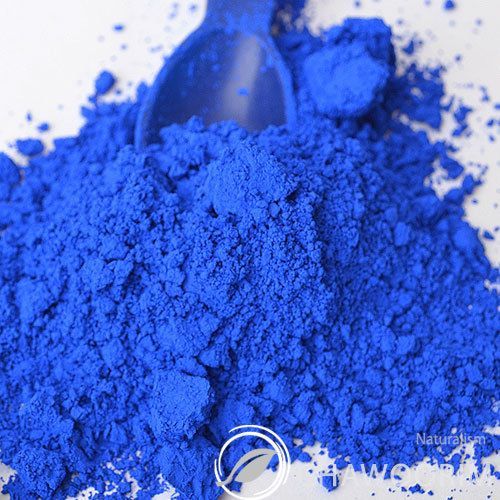

 Send Inquiry





 Send Inquiry

 Send Inquiry
 Send Inquiry
 Send SMS
 Call Me Free