About PH Indicators
PH Indicators works as halochromic chemical compound which when added to solution in small amounts allows determination of pH. With the possibility of determining it visually, it results in color of solution to change depending on pH. Indicators also show change in other physical properties compromising olfactory indicators show change in odor. Providing one of the main uses in biology and analytical chemistry, it also finds frequent usage in titrations in biology and analytical chemistry for determining extent of chemical reaction.
Methyl Orange
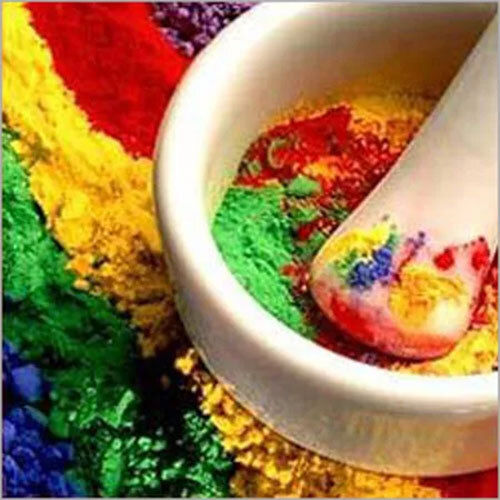
Methyl Orange works as pH indicator and finds suitability in titrations as it provides for changing color at pH of mid-strength. We can offer it in tamper proof finish in both standard as well as customized packaging support that meets the industrial standards.
Applications :
Used in
- Dyeing industry
- Printing textiles industry
MOQ 50kg :
| Specification |
|---|
| C.I.No. | 114510 |
| CAS NO | 547-58-0 |
| Molecular Formula | C14H14N3NaO3S |
| Molecular Weight | 327.33 gm/mole |
| Appearance | Orange Powder |
| Infrared Spectrum | Conforms To Structure |
| Clarity Of Solution | Passes Test |
| Visual Transition | PH 3.0 Pink Or Red |
| Interval | PH 3.2 Pinkish-Orange |
| PH | 4.4 YELLOW |
Methyl Red
Methyl Red is used for conducting mixed-acid fermentation where it contains peptone, glucose, and phosphate buffer. It also produces desired acid for overcoming buffering capacity of broth that causes decrease in pH results. Further, organisms perform other types of fermentation also cannot overcome buffering capacity of broth.
Applications : Suitable for conduction tests involving
MOQ 50kg :
| Specification |
|---|
| C.I.No. | 13020 |
| CAS NO | 493-52-7 |
| Chemical Formula | C15H15N3O2 |
| Molecular Weight | 269.31 gm/mole |
| Melting Point | 179-182 C |
| Dye Content | =>95% |
| Absorption Max (pH4.5) | 523-526 nm |
| Absorption Max (pH6.2) | 430-434 nm |
| Absorptivity (1%,1cm) pH 4.5 | >1330 |
| Absorptivity (1%,1cm) pH 6.2 | >700 |
| Transition Range | pH 4.2 - 6.2 Red - Yellow |
| Loss On Drying (110 c) | < 5% |
Detect subtle pH shifts with our indicators, which respond to changes as precise as 0.5 units. Each pH level is marked by a distinct color, ensuring easy and accurate interpretation for users ranging from students to quality control professionals. This level of sensitivity is essential for applications requiring stringent monitoring, helping protect your data integrity.
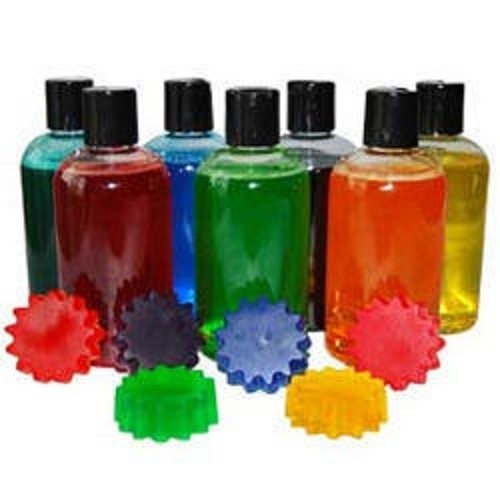
Versatile Options for Every ApplicationChoose from paper strips, universal indicator solutions, and liquid indicator types. Both forms support rapid testing in laboratory analysis, educational demonstrations, and industrial quality control. Convenient packagingplastic and glass bottles for liquids, plastic boxes for stripsguarantees the product remains moisture resistant and secure.
User-Friendly and SafeSimply dip a strip or add a drop of indicator solution to your sample, then compare the result to the provided color chart. These odorless, non-poisonous indicators are safe for routine laboratory or educational use. Dispose of each test after single use as recommended by laboratory waste guidelines for the best safety practices.
FAQs of PH Indicators:
Q: How do I properly use pH indicator strips and solutions?
A: To use pH indicator strips, dip a strip into your liquid sample, wait briefly, and compare the resulting color to the provided chart. For liquid indicators, add a few drops to your sample and observe the color change. Both methods allow determination of pH within the 114 range, with clear, unit-by-unit color differences.
Q: What kind of packaging do the pH indicators come in, and why is it important?
A: Paper strips are stored in moisture-resistant plastic boxes, while liquid indicators are packaged in plastic or glass bottles. This packaging preserves the sensitivity and reliability of the indicators by protecting them from humidity and light, thereby extending their shelf life and performance.
Q: When should I dispose of pH indicator used materials?
A: Dispose of paper strips or solutions immediately after a single use, in accordance with your laboratorys waste management guidelines. This practice ensures safety and prevents inaccurate results from repeat use.
Q: Where are these pH indicators typically used?
A: Our pH indicators are widely used in laboratory analysis, educational demonstrations, and industrial quality control in India and abroad. Their versatile form and high sensitivity make them suitable for a diverse range of applications.
Q: What are the benefits of choosing high-sensitivity pH indicators?
A: With a detection ability of 0.5 pH unit changes and vivid color transitions for each integer pH value, these indicators offer exceptional accuracy. This precision is indispensable for experiments and processes where precise pH monitoring is crucial, ensuring dependable outcomes each time.
Q: What is the correct storage method for pH indicator products?
A: Store all pH indicators in a cool, dry place away from direct sunlight. Always keep containers tightly sealed to maximize shelf life, which is up to two years under appropriate conditions.
Q: What makes these pH indicators environmentally and personally safe to use?
A: These pH indicators are either odorless or have a mild scent, are non-poisonous, and safe when used as directed. They do not require special handling beyond standard laboratory waste disposal, making them suitable for classrooms, laboratories, and industry alike.
 Call Us : 07313726028


 English
 Spanish
 French
 German
 Italian
 Chinese (Simplified)
 Japanese
 Korean
 Arabic
 Portuguese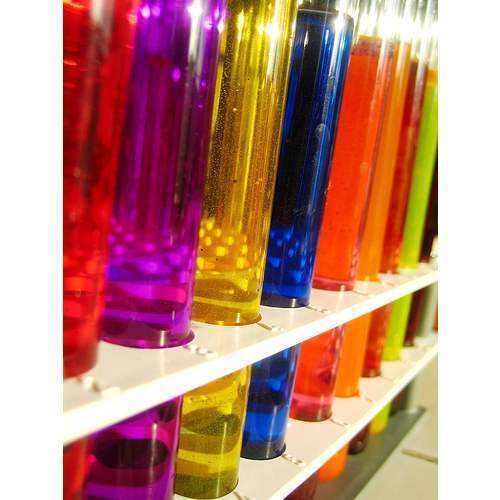


 Send Inquiry





 Send Inquiry

 Send Inquiry
 Send Inquiry
 Send SMS