About Multi Color Reactive Dyes
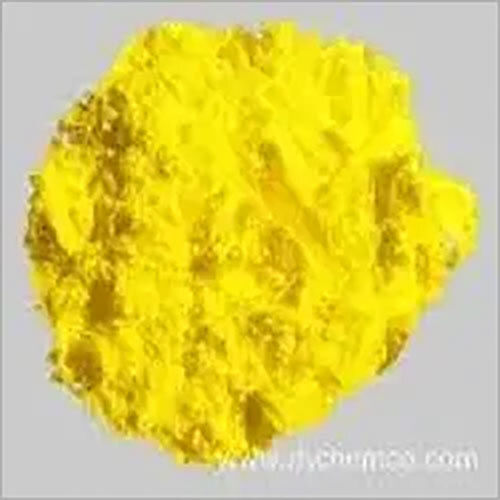
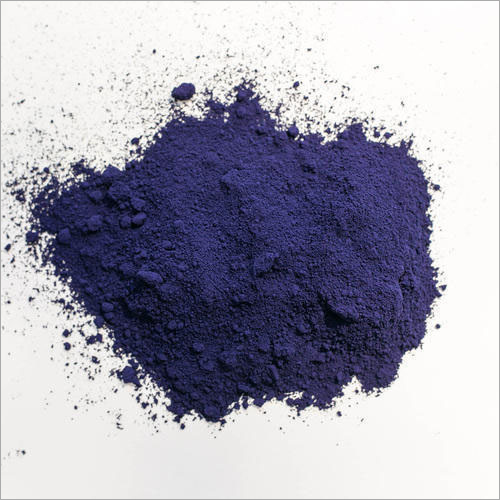
Multi Color Reactive Dyes are cationic dyes that are formed in liquid and non-dusting in nature. Owing to being in liquid state, these dyes can be readily mixed with water in any ratio. Megha International has carved a niche in exporting this series of dyes. We are reckoned as a leading manufacturer and Exporter of Multi Color Reactive Dyes, which are suitable for dyeing wet polyacrlonitrile thread. The series includes various colors like red LX-GRL, blue LX-BL, golden yellow LX-GL, yellow LX-GRL, black LX-RL and blue LX-GRL.
A few of the remarkable features of LX Type Dyes are:
- Non-dusting due to liquid
- Get easily mixed with water in any ratio
- Ideal for dyeing wet polyacrlonitrile thread
- Good wash off property
Application: LX Type Dyes are idea for dyeing wet polyacrlonitrile thread.
MOQ :50kg
| SHADES | PRODUCTS | C. I. NAME | CAS NO. |
 | Yellow LX | NA | |
 | Red LX | NA | |
 | Blue LX | NA | |
 | Red LX2B | NA | |
 | Navy LX | NA |
|
Versatile Dyeing MethodsOur Multi Color Reactive Dyes are compatible with various application processes including exhaust, cold pad batch, printing, and continuous dyeing, enabling flexibility for manufacturers. These dyes disperse excellently, ensuring uniform and vibrant color results after each batch. Their adaptability makes them an ideal choice for diverse plant setups and production scales.
Eco-Friendly & Certified QualityFormulated to be Azo-free and meeting ISO 9001:2015 certification, these dyes prioritize environmental safety without compromising on performance. Suitable for eco-conscious brands, they offer high standards of purity and safety for operators and finished textiles alike, with a shelf life reaching up to two years under proper storage.
Exceptional Performance & StabilityWith high purity (minimum 99%), these dyes display outstanding resistance to washing, chlorine, light, and rubbing. Their anionic nature makes them suitable for cellulose-based fibers like cotton, linen, and viscose. Even after exposure to moisture or water, color brilliance and fastness are retained, offering reliability in finished products.
FAQs of Multi Color Reactive Dyes:
Q: How should Multi Color Reactive Dyes be stored to maintain their quality?
A: Multi Color Reactive Dyes should be stored in a cool, dry place away from direct sunlight. They are stable under normal storage conditions, and with moisture content below 1.5%, their shelf life is up to two years if properly stored.
Q: What application processes are these dyes suitable for?
A: These dyes are compatible with exhaust, cold pad batch, printing, and continuous dyeing methods, offering flexibility for different textile production lines and ensuring vibrant, uniform coloration across processes.
Q: When is it most beneficial to use these dyes in textile manufacturing?
A: It is ideal to use these dyes when working with cellulose-based fabrics such as cotton, linen, viscose, silk, and blended textiles. Their excellent dispersibility and high concentration yield superior color fastness and brilliance, especially important during large-scale or demanding dyeing sessions.
Q: What benefits do these reactive dyes offer compared to traditional options?
A: These reactive dyes ensure excellent fastness to washing, rubbing, chlorine, and light, making the colors durable and fade-resistant. They are also eco-friendly (Azo-free), ISO 9001:2015 certified, and compatible with all dyeing auxiliaries, supporting sustainable and high-quality textile production.
Q: Where are Multi Color Reactive Dyes commonly applied?
A: Primarily used in the textile industry across India and globally, these dyes are favored by manufacturers, exporters, suppliers, and dealers for dyeing and printing on a wide range of cellulose and blended fabrics.
Q: What supports the eco-friendly nature of these dyes?
A: The dyes are crafted to be Azo-free and comply with stringent environmental standards, as evidenced by ISO 9001:2015 certification. This ensures minimal environmental impact and safer handling throughout the dyeing and finishing processes.
 Call Us : 07313726028


 English
 Spanish
 French
 German
 Italian
 Chinese (Simplified)
 Japanese
 Korean
 Arabic
 Portuguese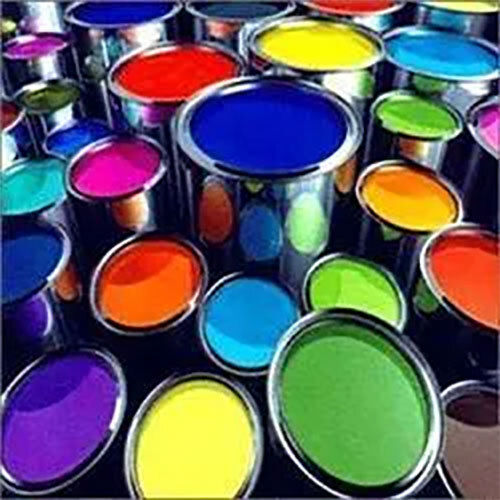

 Send Inquiry




 Send Inquiry

 Send Inquiry
 Send Inquiry
 Send SMS