 Call Us : 07313726028


 English
 Spanish
 French
 German
 Italian
 Chinese (Simplified)
 Japanese
 Korean
 Arabic
 Portuguese
|
Call Us : 07313726028
|
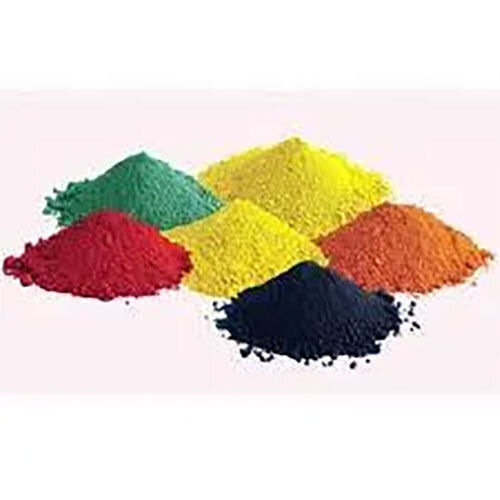
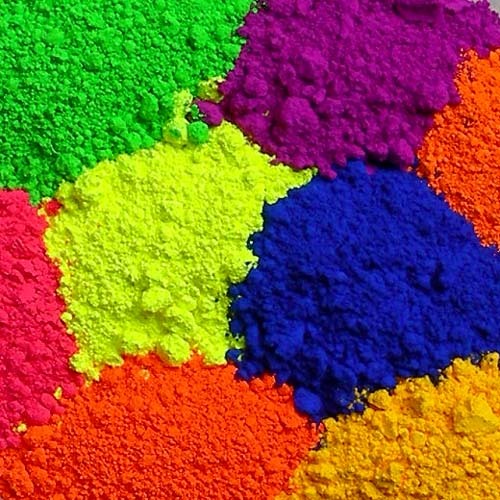
Inorganic Pigments are made from sulphates, chromates, metallic oxides, and other metallic compounds using a series of steps under controlled conditions. They find application for cosmetics, metal, plastic, & glass manufacturing industries. These pigments are known to have coarse particle size and assure long lasting brightness with good fade-resistant properties. They give the flexibility to choose from a wider variety of color range as compared to organic ones. Inorganic Pigments get easily dispersed into the solvents while delivering superior end product appearance. They are cost effective in nature and can be availed at highly competitive rates in bulk by our respected customers.
Molybdate Orange OR 75 - Scarlet Chrome
CI NO.- PIGMENT RED 104
Crome Yellow YU 35 - Middle Chrome
CI NO.- Pigment Yellow 34
Crome Yellow YU 26 - Pure Lemon Chrome
CI NO.- Pigment Yellow 34
Chrome Phosphate
CI NO. - Pigment White 32
Chrome Zinc II
CI NO.- Pigment Yellow 36

Price:
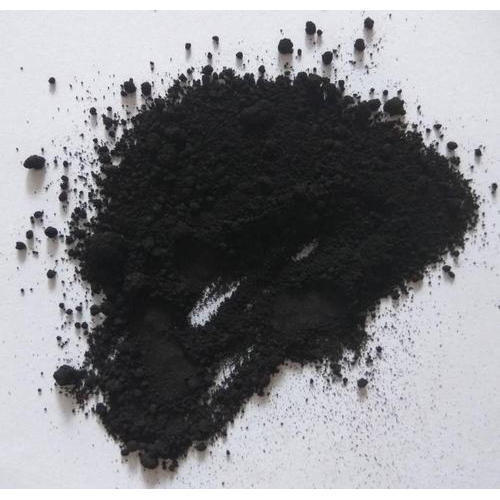
Price 55 INR / Kilograms
Minimum Order Quantity : 1 Kilograms
Place of Origin : India
Application Method : Mixing/Dispersion
Physical State : Powder
Grade : Industrial Grade
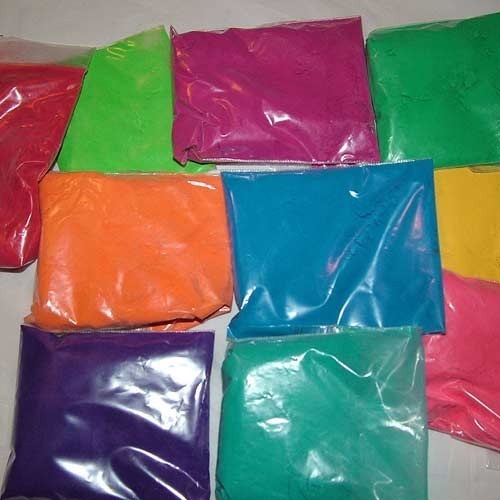
Price 95 INR / Kilograms
Minimum Order Quantity : 1 Kilograms
Place of Origin : India
Application Method : Mixing/Blending/Dispersion
Physical State : Powder
Grade : Industrial Grade
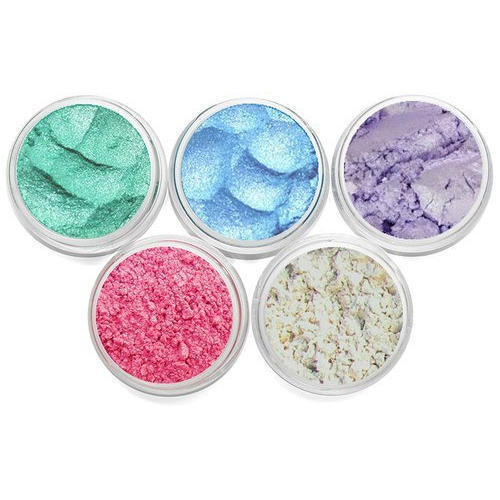
Price 95 INR / Kilograms
Minimum Order Quantity : 1 , , Kilograms
Place of Origin : India
Application Method : Mixing/Blending with binder
Physical State : Solid
Grade : Industrial Grade
Price 60 INR / Kilograms
Minimum Order Quantity : 100 Kilograms, ,
Place of Origin : India
Application Method : Screen Print, Pad Dry, Direct Printing
Physical State : Powder
Grade : Industrial
 Send Inquiry

 |
MEGHA INTERNATIONAL
All Rights Reserved.(Terms of Use) Developed and Managed by Infocom Network Private Limited. |



 Send Inquiry

 Send Inquiry
 Send Inquiry
 Send SMS
 Call Me Free